Environmental Sustainability with Shaklee
Steps towards environmental sustainability
Posted by Dr. Bruce Daggy on Apr 4, 2014 in Health, Science
Steps towards environmental sustainability
At Shaklee, we recognize that a healthy individual and a healthy planet go hand-in-hand. We all want somewhere to live our healthy and abundant lives. Since the earth is the one place we can call home, we should probably take care of it.
Environmental sustainability is something we strive for every day and we have been delighted to discover that oftentimes choosing the healthiest ingredients for our products also means making the best choices for our planet.
Here are the sustainability projects of which we are we are most proud:
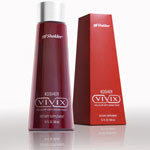
Muscadine grapes: Muscadine grapes are grapes that have a higher source of antioxidants and resveratrol than the common table grape. We have developed a long-term partnership with Paulk Vineyards in Georgia, and its six generations of farming experience. The vineyard was started by Jacob Paulk, a 4th generation farmer who is committed to the highest standards of green and sustainable farming. For more information on Shaklee's Vivix Liquid Dietary Supplement use this link.
Fish oil: Our fish oil is certified through Friends of the Sea, an international conservation organization that follows strict criteria for sustainability. Friends of the Sea tracks population size and works with fishermen to set catch limits and avoid harvesting during spawning time. The efforts help to ensure a constant supply of good quality fish oil without harming the environment. For more information on Shaklee's OmegaGuard use this link.
Get Clean® pitcher: The carbon block filter in our water pitcher is sourced from coconut shells. Coconut shell carbon is recognized as the highest quality because it has a pore structure that allows it to trap a wide variety of contaminants. The coconuts used to create the filter are farm-raised, renewable, and have a very short growing cycle. Our carbon filters are produced in a closed stainless steel vessel that releases no emission to the environment during processing. For more information on the Get Clean® Pitcher, use this link.
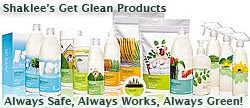
Get Clean line: Many of the natural ingredients in our Get Clean line, our nontoxic household cleaning line, are sustainably sourced. Mineral salts, corn, coconut, and vegetable glycerin all come from renewable sources. For more information on the Get Clean Home Care line use this link.
Shaklee has been committed to sustainability almost from our inception. We were the first company in the world to obtain Climate Neutral® certification by totally offsetting our CO2 emissions.
We took a long, hard look at ourselves and reduced our U.S. greenhouse gas emissions by consolidating our distribution and maximizing distribution efficiencies. We targeted our efforts to conserve water, gas, and electricity in company-controlled facilities. We also reduced the materials we used through our packaging, reusing shipping cartons, and utilizing post-consumer recycled paper.
In 2000, Shaklee opened its World Headquarters, one of the first green, energy-saving, award-winning buildings designed using sustainable materials, including certified sustainable wood, recycled carpets, and recycled plastics. In 2001, Shaklee received the Savings by Design Energy Efficiency Integration Award by the American Institute of Architects.
Our journey towards environmental sustainability is an expression of our commitment to the third pillar of The Shaklee Difference: Always Green. By linking Always Safe and Always Works to Always Green, we are recognizing that human health is intimately tied to the health of the environment.
What Shaklee sustainability project makes you most proud and why?
In health,
Dr. Bruce
Dr. Bruce Daggy
Senior Vice President, Research & Development and Chief Science Officer
Our Toxic World and the Solutions We Have Now
Each day we are bombarded with chemicals that have adverse effects on us, our children, our pets and the planet. Over 80,000 chemicals are used each day and the EPA has required testing on less than 500 for their toxicity. Each Day 42 BILLION pounds of chemicals are produced or imported to the USA. And there is a lot more. What to do?
Watch this short video to get some ideas on what we face. Remember Shaklee is the leader in the environmental movement, offering products that are Always Safe for you and well as the planet, Always Work better or as well as the leading brands, and are Always Green since Shaklee has been green from the very beginning when green was just a color and biodegradable was not a household word.
Do something nice for yourself and the planet, try Shaklee's Get Clean products today. Breathe Easier since You deserve the best.
CDC and Indoor Environmental Quality
Scented or fragranced products are prohibited at all times in all interior spaces. This includes the use of:
• Incense, candles, or reed diffusers
• Fragrance-emitting devices of any kind
• Wall-mounted devices, similar to fragrance-emitting devices, that operate automatically or by pushing a button to dispense deodorizers or disinfectants
• Potpourri
• Plug-in or spray air fresheners
• Urinal or toilet blocks
• Other fragranced deodorizer/re-odorizer products
Personal care products (e.g. colognes, perfumes, essential oils, scented skin and hair products) should not be applied at or near actual workstations, restrooms, or anywhere in CDC owned or leased buildings.
In addition, CDC encourages employees to be as fragrance-free as possible when they arrive in the workplace. Fragrance is not appropriate for a professional work environment, and the use of some products with fragrance may be detrimental to the health of workers with chemical sensitivities, allergies, asthma, and chronic headaches/migraines.
Employees should avoid using scented detergents and fabric softeners on clothes worn to the office. Many fragrance-free personal care and laundry products are easily available and provide safer alternatives."
So follow in the footsteps of the CDC and use Green Cleaning Products, fragrance-free soaps, shower gels, laundry products and such. Stay Well! Elise
Lower Energy Bills Part II
Last Energy Saving Post, we added Window Film to those large windows to provide protection from UV and Infrared energy as well as saving on our 2009 Federal Tax bill. Good stuff! The few posts will be simple things we can do without much trouble. Now for another easy energy and therefore $$$ saving tip!Have you considered a Trellis covered with a lush green vine as a bit of shade on your deck, screened porch or a window/door that just gets too much sun? A is an easy solution, keeping the sun at bay while adding green to the landscape.
Should you be handy, you might make a simple trellis from 1x1’s or even some small copper pipes. Explore your local hardware store or Lawn & Garden store for materials to make your own trellis. Advice from your local hardware store owner or Lawn& Garden store owner will make your decision making so much easier. Local experts know which woods or pipes will last the longest in your area. So use your local experts! They know your area, what works best in your climate and are willing to share with you.
Now, if
you are not handy or just don’t have the time, you can purchase one at your local Lawn & Garden store or local Hardware store. Pre-made, painted or stained, they come in lots of shapes and sizes.Be certain to measure your location before you leave home, no matter how you acquire your trellis. Proper size makes a difference in having much needed shade or just a pretty bush!
While at your Lawn & Garden store, hunt for vines that grow well in your area. Living in the South, we have many vines that provide shade almost year round! I particularly like Confederate Jasmine as well as Clemantis. Again, your local Lawn & Garden expert can assist you with your plants.
So plant some green vines around a trellis to provide the shade you desire, add flowers for the hummingbirds to enjoy and leafy filters for cleaner air as they add decoration to your home.
More Energy Saving Tips Next Post!
Swine Flu! What is it and How to Reduce Your Risk
influenza A (H1N1) virus is susceptible to the prescription antiviral drugs oseltamivir(brand name Tamiflu) and zanamivir(brand name Relenza).Symptoms? Fever, sore throat, chills, fatigue, cough, body aches and headaches. Vomiting and diarrhea may also be present.
How is it passed in humans? Sneezing, coughing and touch are the most common ways. The swine flu virus can live on surfaces for 2 hours or longer! So cover your nose and mouth should you sneeze or cough. You may be infected and not know it!
How to reduce your risk of catching the flu: Simple common sense things are suggested for this as well as colds and the like. * Stay in good health, get plenty of sleep, exercise regularly, keep your nutrition up and drink plenty of fluids such as water or fruit juices. * Wash hands for 15 seconds, then rinse with warm water. Dry well on disposable towels. * Resist touching surfaces in public areas such as elevator buttons, door knobs, and phones. When greeting friends or business associates don’t shake hands. * Should you have to touch any surface in a public space, avoid touching your face or eyes or mouth till you can wash again. * Please stay at home should you begin to feel ill. Don’t go to work and infect others. * You are contagious about 24 hours before you begin to have symptoms and for at least 7 days or more after the symptoms appear. This means you can pass the swine flu on to others before you know you are sick as well as during the illness. * If you must sneeze or cough in public, cover your mouth and nose with a tissue, then discard the used tissue in the trash.
When to seek medical assistance:
Severe vomiting, dehydration, bluish skin color, fast breathing, trouble breathing , confusion, dizziness, fever and rash, sleeping a lot, symptoms that go away only to reappear with even worse fever or cough. In summary, keep your immune system healthy and able to fight for your health. Eat healthy meals, exercise, get plenty of rest and avoid going out in crowds till this passes. You can check with the CDC for updates.
Plastic: Friend or Enemy?
Plastic is a product that has helped our lives in positive ways.
Plastics are in our medical environments, our cars, homes, offices, printers, phones, cell phones, computers, credit cards, airplanes and more. Without plastic, so many of our common everyday experiences would not be possible.However, plastic also has some qualities that makes it unfit for human consumption! Research is showing that we ingest parts of the plastics when we re-heat and reuse plastic containers. While some are ok, some are not. But how can we tell? There are labels on the bottom of containers that will tell you what the code is for this product and then you have to translate. Turn over the container, look at the number on the bottom and then you will know whether to keep that container in the kitchen or in the workshop. Most Tupperware is made of plastics that are safe to reuse and store food according to a recent article in Popular Science.
Here is the list of current options:
#1 Polyethyelene terephthalate (PETE) #2 High-density polyethylene (HDPE) #3 Vinyl, polyvinyl chloride (PVC) #4 Low -density polyethylene (LDPE) #5 Polypropylene (PP) #6 Polystyrene (PS) #7 Other (includes polycarbonate, acrylic, polylactic acid, fiberglass) Use these to help you know which are easy to recycle and which are here forever!
Avoid the #3 and #7 plastics since they are just bad for you! #3 is PVC and shows up in some plastic wraps since it helps improve the function of the warp. PVCs have the potential to cause cancer and other health problems according to researchers.
#7 plastics contain polycarbonate and those contain bisphenol A (BPA). There have been many reports on BPA in water bottles and baby bottles. This plastic compound has hormone leaching properties that can cause problems such as early puberty in young girls. (Laurine Brown Ph.D. in nutrition from Tufts University)
How to stay safe:
*Use waxed paper or butcher paper to wrap foods. *Bring out the glass and ceramic containers for storage. *Keep Plastic wrap from touching hot food since the plastic can migrate into the food and then into us! *Don’t microwave plastics. Even though they say “microwave safe” that only means that the container will not melt or warp when heated. It can possibly still leach into the food & then us!
So appreciate plastic for making our lives easier and lighter! But avoid eating it and leaving it in our landfills for eternity! Think and read the #'s.
A Little About Elise...
Hi, my name is Elise and I welcome you to my blog! This is an exciting new venture and an adventure for me as I undertake writing this ongoing blog. I am a Southern Belle Entrepreneur who enjoys Internet Marketing in the Health & Wellness arena by being a Shaklee Independent Distributor as well as being a Professional Photographer with Hall & Hearn Photography. Creating wealth, health and beautiful images provides me great energy as inspiration is all around. Enjoy the beauty and healthy living ideas you will find in these posts!Living around the sunny South in Georgia, Alabama and Florida, with long visits to Tennessee and the Carolinas, has given me a deep appreciation for and some understanding of the beauty of this world and how interactive our world really is. My Photography keeps my eyes on the prize, how beautiful the planet is and how we miss out on its beauty when we get so caught up in acts that don’t really matter to us or anyone else.
In this blog I plan to talk about issues that impact our quality of life, our health and our ability to make money. Being a Shaklee Independent Distributor gives me a wonderful base for practical information on how to have a healthy home, how to have a wellness plan, how to have a Plan B for making extra money for our family and so much more. From all the resources available on living green, working green, living healthy, keeping well and more, I will work to provide current, reasonable, sensible information on staying well, living green and living safely.
What I have learned and passed on so far has been of interest to me and I hope has helped you. Leave your comments and let me know the kind of hints and tips you need to have a healthier life!
Keep Well,
Elise

Essential Oils
Essential Oils are popular now and are used in adding scent to homes and aroma therapy. However, according to a recent article in Cosmetics Design, caution should be taken with Essential Oils. From the current research, it seems that the evidence shows where Essential Oils can become allergens on contact with air and skin.