Showing posts with label Heart Healthy. Show all posts

Environmental Sustainability with Shaklee

This is a post from Dr Bruce Daggy that explains one of the reasons I am so excited about my partnership with Shaklee Corporation.  A healthy person needs a healthy planet, and at Shaklee, we make choices with both in mind!  Read on for the whole Shaklee story:
Steps towards environmental sustainability

Posted by Dr. Bruce Daggy on Apr 4, 2014 in Health, Science
Steps towards environmental sustainability


At Shaklee, we recognize that a healthy individual and a healthy planet go hand-in-hand. We all want somewhere to live our healthy and abundant lives. Since the earth is the one place we can call home, we should probably take care of it.

Environmental sustainability is something we strive for every day and we have been delighted to discover that oftentimes choosing the healthiest ingredients for our products also means making the best choices for our planet.

Here are the sustainability projects of which we are we are most proud:

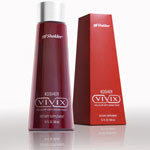
    Muscadine grapes: Muscadine grapes are grapes that have a higher source of antioxidants and resveratrol than the common table grape. We have developed a long-term partnership with Paulk Vineyards in Georgia, and its six generations of farming experience. The vineyard was started by Jacob Paulk, a 4th generation farmer who is committed to the highest standards of green and sustainable farming. For more information on Shaklee's Vivix Liquid Dietary Supplement use this link. 
    Fish oil: Our fish oil is certified through Friends of the Sea, an international conservation organization that follows strict criteria for sustainability. Friends of the Sea tracks population size and works with fishermen to set catch limits and avoid harvesting during spawning time. The efforts help to ensure a constant supply of good quality fish oil without harming the environment.  For more information on Shaklee's OmegaGuard use this link.
    Get Clean® pitcher: The carbon block filter in our water pitcher is sourced from coconut shells. Coconut shell carbon is recognized as the highest quality because it has a pore structure that allows it to trap a wide variety of contaminants. The coconuts used to create the filter are farm-raised, renewable, and have a very short growing cycle. Our carbon filters are produced in a closed stainless steel vessel that releases no emission to the environment during processing.  For more information on the Get Clean® Pitcher, use this link.
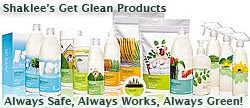
    Get Clean line: Many of the natural ingredients in our Get Clean line, our nontoxic household cleaning line, are sustainably sourced. Mineral salts, corn, coconut, and vegetable glycerin all come from renewable sources. For more information on the Get Clean Home Care line use this link.

Shaklee has been committed to sustainability almost from our inception. We were the first company in the world to obtain Climate Neutral® certification by totally offsetting our CO2 emissions.

We took a long, hard look at ourselves and reduced our U.S. greenhouse gas emissions by consolidating our distribution and maximizing distribution efficiencies. We targeted our efforts to conserve water, gas, and electricity in company-controlled facilities. We also reduced the materials we used through our packaging, reusing shipping cartons, and utilizing post-consumer recycled paper.

In 2000, Shaklee opened its World Headquarters, one of the first green, energy-saving, award-winning buildings designed using sustainable materials, including certified sustainable wood, recycled carpets, and recycled plastics. In 2001, Shaklee received the Savings by Design Energy Efficiency Integration Award by the American Institute of Architects.

Our journey towards environmental sustainability is an expression of our commitment to the third pillar of The Shaklee Difference: Always Green. By linking Always Safe and Always Works to Always Green, we are recognizing that human health is intimately tied to the health of the environment.

What Shaklee sustainability project makes you most proud and why?

In health,
Dr. Bruce
Dr. Bruce Daggy
Senior Vice President, Research & Development and Chief Science Officer

Vitamin D3-- Do you Have Enough?


Vitamin D Facts

Good Health is a Choice, make a good Choice today.

The most common medical condition in the WORLD, with often devastating and even fatal consequences, is Vitamin D Deficiency. This disease affects OVER 200 Million people in North America alone! NOW YOU should NOT be one of them! Taking time to Review this information
could Dramatically improve your health and may Save Your Life!


Ask your Doctor ab
out the overwhelming research that is currently making headlines in numerous published clinical studies and the stunning information found in virtually every respected medical journal in health care!

Dr. Oz says: “If I could pick one Vitamin to push to Everybody it’s Vitamin D!”

“If Vitamin D were
a drug, its benefits would make it
the most popular ever!” says Bill Sardi--Medical Writer and Author in his book "You Don't Have to be Afraid of Cancer Anymore."

Increasing the amount of Vitamin D in the body can prevent or help treat a remarkable number of ailments:
Arthritis
Asthma Autism Back Pain Cancers (Breast, Colo
n, Prostrate)
Chronic Fatigue Dental Problems Depression Diabetes Fibromyalgia Heart Disease High Blood Pressure Hypertension Kidney Disease Lupus MS Muscle Cramps Obesity Osteoporosis Psoriasis Seasonal Affects Disorder Thyroid

The time to act is now! Don’t be left in the Dark!

Take the Free Vitamin D3 Quiz today.

It is quick and easy. Get the answer with Vitamin D-ology™, a new online quiz developed by Shaklee Scientists. Based on the answers to 8 simple questions, the Vitamin D quiz will quickly calculate the Shaklee Health Sciences recommended level of Vitamin D. The level of vitamin D supplementation you may need depends on many factors including where you live, time of year, your skin color, how much sun exposure you get each day, your age, if you are overweight, how often you eat fish or vitamin D fortified foods and how often you exercise.

Take the quiz today!

Are you Asking the Right Questions?

Do you ask questions when you visit your physician? Do you fully participate in your own health care decisions? Do you read and study what is going on in studies and published papers in peer reviewed journals? Or are you like my friend?
I have a friend that blindly follows whatever his Doctor says. Never asks questions, never asks why or is there an alternative. Just follows along blindly doing whatever his doctor tells him to do. Now, I am not against doctors, just against people who do not take an active role in their own health care decisions.
My friend returned home from a long trip to find that his stomach was bothering him at night. He went to his doctor complaining of nausea and such. Rather than asking questions of the doctor and the doctor asking questions of my friend, all that happened was a prescription for some "stomach" medication that my friend has no idea about why or even what it's purpose really is.
I asked my friend what the medicine did and my friend had no information. Really?! And to top it off, the doctor told my friend to stop all vitamins and supplements. I asked my friend if food was allowed since vitamins were not allowed and vitamins come from food!
My point here is to ask questions, make yourself into your own personal wellness advocate. Don't just take something that is offered without asking what, why, how long, side effects and so much more.
You have a responsibility to yourself to be involved in your wellness as well as disease care. Doctors in the USA are trained to take care of diseases, not wellness. Their business is disease care and our goals are wellness care. I focus on how to stay in wellness and not get into a state of disease. Stay well and stay informed! Your health is your responsibility and taking care of your one true home, your body, is paramount to your continued wellness!

Peanuts: Part- 2---- A Powerful Source for Healthy Snacks

Peanuts, such a wonderful little treat in the middle of the morning with a cup of tea—crunchy, slightly salty and very satisfying. Of course, there have been many early mornings when a piece of thin wheat bread has been spread with my favorite Peanut Butter, and munched on as a quick breakfast. Then there are days when by mid-afternoon, a cored apple filled with peanut butter is the perfect snack. Yummy.
--As we found in Part I of this series on Peanuts, there was a lot of good news about Peanuts! Rich in Fiber, low in Cholesterol, aids in reduction of Cholesterol, Rich in L-Arginine- an amino acid that helps maintain healthy arteries, and a great source of protein.
But we are not finished with the wonders of Peanuts! Here's More!
Peanuts Provide:
· Resveratrol--
Have low levels of Resveratrol, the compound in red wine linked to reduced heart disease & other diseases of aging
· Lower risk for Diabetes---Research has shown peanuts significantly hinder development of Type II diabetes in women
· Low Glycemic Index---Peanuts have one of the lowest glycemic indexes of all foods, good news for sportspeople and diabetics
· Many Essential Vitamins and Minerals--Contain vitamins B6, E, folic acid & the Minerals magnesium, copper, zinc & selenium
· Cancer Fighting Properties---Peanuts contain phyto-chemicals which have anti-cancer & anti-oxidant properties linked to reducing risk for heart disease

-- Now that you know more about Peanuts and how wonderful they are for you, here is a Quick Snack Recipe. Get an Ice Cream Bowl and fill with a scoop or two of Vanilla Ice Cream. Top with your favorite Peanut Butter. Microwave for about 10 seconds. Drizzle Chocolate Sauce on top! Yummy...
-- Stay Tuned for my final post in this Series on Peanuts! Part 3 --

Peanuts: A Powerful Source for Healthy Snacks--- Part One

Peanuts have had a ton of bad press lately. However, not all peanuts come from a nasty plant in south Georgia. And not everyone is allergic to peanuts.
I love peanuts. Living in South Georgia during high school, the fall days when peanuts were brought to the dryers to begin the processing of the peanuts into different products. That journey filled with air with the rich smell of freshly turned dirt. Then there were the pots of boiling peanuts in the neighbor’s backyard. Yummy!
I eat peanut butter on crackers for a snack and sometimes for lunch. I eat peanuts roasted, boiled & toasted. Put peanut butter with chocolate & I am there! Mix with Bananas and it is a wonderful thing.
But on to the real reason for this post. According to an article by the Peanut Company of Australia, Peanuts are a healthy food! Here are a few hints at how Peanuts are a Powerful Source for Health.
Peanuts are:
· Not Really a Nut--Peanuts aren't really nuts at all - they're legumes like beans and peas and grow under the ground
· Have No Cholesterol--Peanuts contain absolutely no cholesterol and trials show they can actually reduce cholesterol levels
· Full of Natural Fiber--One serving (25g) of peanuts contains more fiber than a whole wheat sandwich & more than other snack foods
· A Protein Powerhouse--One serving (25g) of peanuts provides 12% of the daily recommended intake of protein
· Reduces Cholesterol--Clinical trials demonstrate a reduction in total and LDL cholesterol when peanuts are added to the diet
· Inhibits Cancer Growth--Beta-sitosterol, the most abundant sterol in peanuts, has been shown to inhibit the growth of cancers! WOW!
As you can see, we are just getting started on the health benefits of Peanuts! My next post will continue with the list of Healthy Peanut Benefits. Stay tuned for more on Peanuts: A Powerful Source for Healthy Snacks---Part 2!